
Temperature-Controlled vs. Climate-Controlled Storage Guide
Deciding how to store your belongings can feel overwhelming, especially when you run into industry terms like “temperature-controlled” and “climate-controlled.” Understanding what these environments actually mean is the first step toward choosing the right unit for your needs.
While the two options sound similar, the distinction between maintaining a steady temperature and actively regulating moisture levels can make a significant difference for your valuables. This guide breaks down both options so you can make a confident, informed decision.
Understanding the Basics
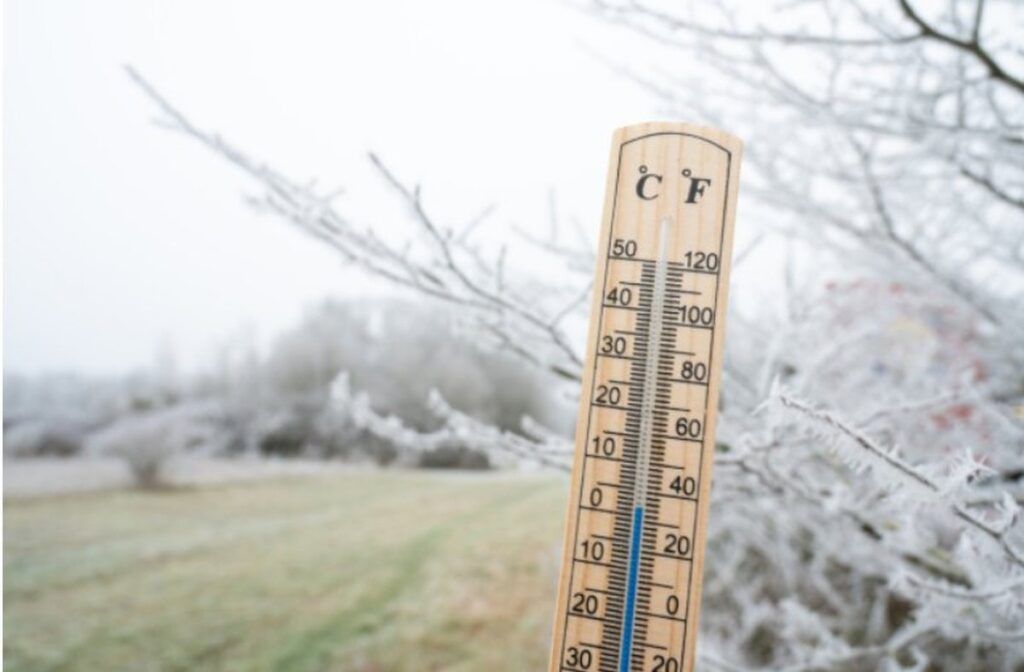
Temperature-controlled self-storage is designed to keep a unit within a specific thermal range, typically between 55 and 85 degrees Fahrenheit. This helps stop the extreme heat of summer or the freezing temperatures of winter from damaging conditions for standard household goods. It is a solid baseline for most renters who want to avoid the heat buildup common in traditional outdoor drive-up units.
Climate control goes a step further by actively regulating humidity in addition to temperature. In many parts of the country, humidity can be just as damaging as heat. Keeping moisture levels in check prevents the growth of mold and mildew on stored items.
A few key features to look for in climate-controlled facilities:
- Humidity regulation. Copper’s climate-controlled units typically maintain humidity around 50%, which is the sweet spot for long-term preservation.
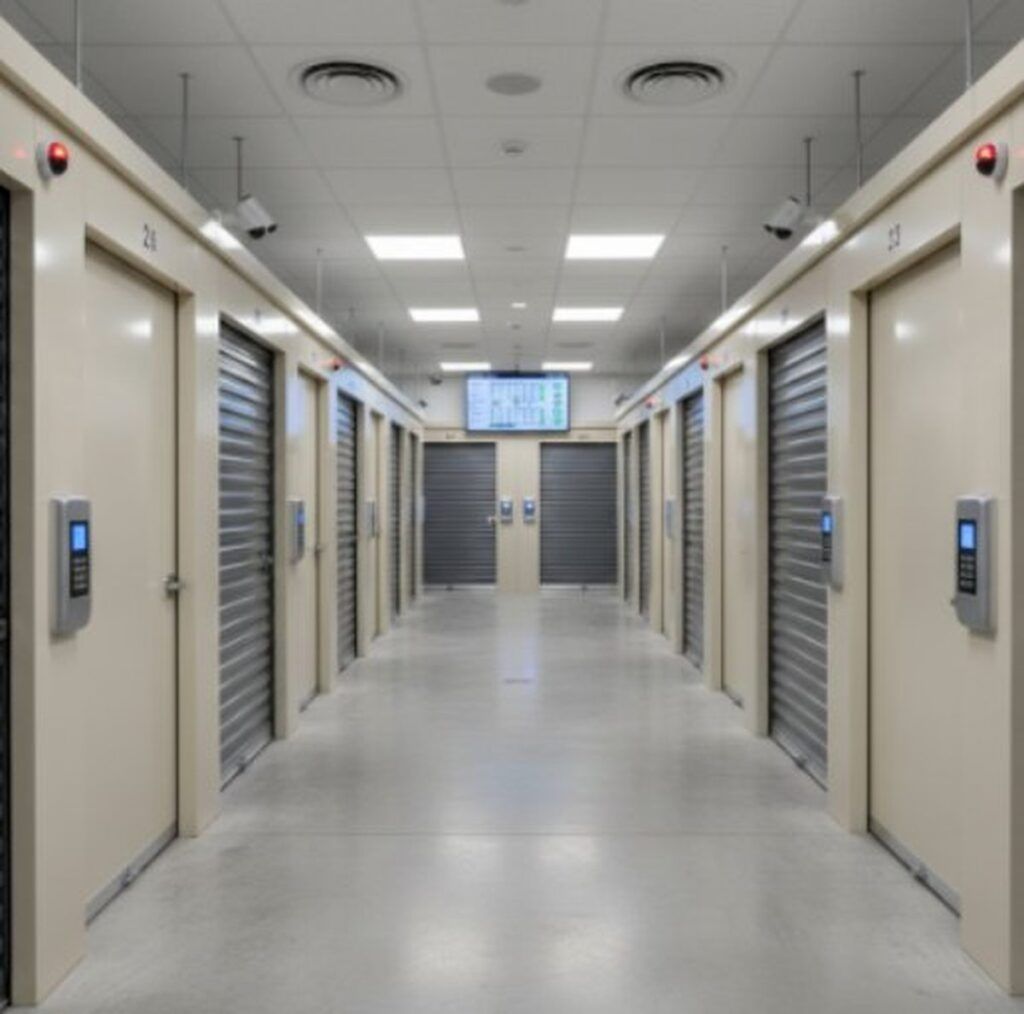
- Indoor access. These units are usually located inside a finished building, offering added protection from dust and pests.
- Wide hallways and elevator access. Good interior design makes it much easier to move items in and out without damaging them.
When To Choose Temperature-Controlled Storage
Temperature-controlled units are a practical, cost-effective choice for items that are sturdy but sensitive to extreme temperature swings. If you are rotating seasonal items or clearing out space at home, this option covers most everyday storage needs without the premium price of full climate control.
Good candidates for temperature-controlled storage include:
- Household furniture. Basic wood tables, plastic bins, and metal bed frames hold up well in a temperature-stable environment.
- Major appliances. Refrigerators, washers, and dryers have mechanical components that can crack or corrode when exposed to extreme cold or heat.
- General household goods. Items that are not particularly moisture-sensitive but would still suffer in an unregulated outdoor unit.
When To Choose Climate-Controlled Storage
For high-value or delicate belongings, climate-controlled self-storage is the stronger choice. Some items simply cannot tolerate humidity buildup, even over a short period of time.
Items that benefit most from humidity regulation include:
- Musical instruments. Wood instruments like guitars and violins can warp, crack, or go out of tune when exposed to fluctuating moisture levels.
- Electronics. Internal components and wiring are highly susceptible to corrosion caused by humid air.
- Fine art and antiques. Oil paintings and vintage wood furniture require a stable environment to prevent peeling, cracking, or finish degradation.
- Documents and photographs. Paper is particularly vulnerable to moisture and can yellow, warp, or stick together in a humid unit.
- High-end outdoor gear. High-quality tents, sleeping bags, and technical fabrics can develop mildew when stored in damp conditions.
Copper Storage Management offers climate-controlled storage units built to store the belongings that matter most to you.

Choosing the Right Unit Size
Once you have settled on the right environment, the next step is finding a unit size that fits. You do not want to pay for empty space, but you also need enough room for proper air circulation. Packing a unit too tightly can trap pockets of air and reduce the effectiveness of climate control.
A few sizing benchmarks to guide your decision:
- 5×5. Comparable to a small closet. Good for boxes, small furniture, and seasonal items.
- 5×10. A solid choice for a one-bedroom apartment’s worth of belongings or a mix of furniture and boxes.
- 10×10. Fits the contents of a two-bedroom home or a combination of furniture, appliances, and stored inventory.
- 10×20. Better suited for three-bedroom households, large furniture sets, or vehicles.
For a more detailed breakdown, use our storage size guide to find the right fit before you commit.
A few packing tips to get the most out of your unit, regardless of size:
- Leave a small aisle down the center for easy access to items stored in the back.
- Use pallets or shelving to keep belongings slightly off the floor and encourage airflow.
- Store frequently accessed items near the front of the unit.
For additional guidance on packing and protecting stored items, the American Moving and Storage Association is a helpful resource.
Reserve the Right Unit Today
Choosing between temperature-controlled and climate-controlled storage comes down to what you are storing and how sensitive it is to heat and moisture. Either way, Copper Storage Management has the right environment, the right size, and the flexible month-to-month leasing to fit your situation.Do not leave your valuables to chance. Find a Copper Storage Management location near you and reserve your unit today. Our team is ready to help you find the right fit.